Life After 80: Key Factors That Affect Health and Longevity
Reaching the age of 80 represents more than a simple number. It reflects decades of experience, resilience, and adaptation to life’s unpredictable challenges.
But age alone doesn’t dictate how the years ahead unfold. Some individuals thrive well into their 90s, maintaining mental clarity, physical activity, and emotional balance.
But age alone doesn’t dictate how the years ahead unfold. Some individuals thrive well into their 90s, maintaining mental clarity, physical activity, and emotional balance.
Others, however, begin to experience noticeable decline, losing energy, mobility, and independence much earlier than expected.
While genetics can influence health and longevity, it is often daily habits, lifestyle choices, and emotional well-being that make the most profound difference in determining quality of life in later years.

- The Importance of Purpose in Later Life
One of the most significant yet overlooked factors influencing healthy aging is a sustained sense of purpose. This doesn’t need to be monumental; even small daily tasks provide meaning.
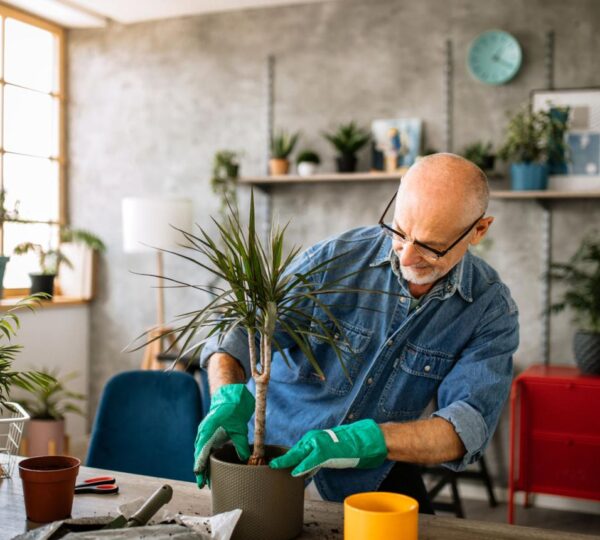
Purpose might come from simple activities like watering plants, caring for a pet, helping a neighbor, or maintaining personal hobbies. These seemingly small responsibilities anchor daily life and provide structure.
Individuals with purpose often remain mentally sharp, physically engaged, and socially involved. They experience higher levels of motivation and are less prone to depression or the gradual loss of interest in daily routines.
When purpose diminishes, subtle changes occur. Energy levels decline, mood fluctuates, and even basic motivation can falter. Over time, this affects both mental and physical health, potentially weakening the body’s natural defenses.
Research has shown that older adults who feel needed or find meaning in daily life tend to live longer, healthier lives. Purpose can enhance resilience, improve emotional health, and even protect against cognitive decline.
- Combating Loneliness and Social Isolation
Social isolation is a significant risk factor in older adults, often underestimated in its impact on health. As peers pass away or family members become busier, loneliness can gradually increase.
At first, the absence of regular contact may seem minor. Days may simply feel quieter or less engaging. Over time, however, isolation can become profound, affecting mental and physical well-being.
Loneliness is linked to measurable health consequences, including weaker immunity, memory challenges, higher blood pressure, and increased risk of chronic illness. Emotional well-being and physical health are tightly connected in this context.
Even small social interactions can make a meaningful difference. A brief phone call, a visit from a neighbor, or participation in local community activities can restore connection and combat the negative effects of isolation.
Volunteering, joining hobby groups, or attending local events provides purpose, encourages movement, and helps maintain cognitive engagement. Regular social interaction supports emotional health and can significantly improve longevity and quality of life.
- Mobility and Its Role in Maintaining Independence
Physical decline generally begins gradually, often unnoticed. Slower walking pace, stiffness, hesitancy when standing, and slight balance changes are early signs that should not be ignored.
Reduced movement has cascading effects. Muscles weaken, confidence declines, and independence diminishes. Activities once considered routine may become challenging or even risky, creating a cycle of further inactivity.
The solution is consistency rather than intensity. Gentle daily exercises, such as walking, stretching, or light resistance training, help preserve strength, balance, and confidence in older adults.
Maintaining mobility protects against falls, enhances circulation, and supports mental health. Regular movement stimulates the brain, improves mood, and preserves the ability to perform daily tasks independently.
Simple routines, like standing up from a chair multiple times, taking short walks, or practicing balance exercises, accumulate over time and prevent the rapid onset of frailty and reduced mobility.
- Nutrition and Hydration: Small Choices with Large Effects
As people age, appetite often decreases. Cooking may become more effortful, and meals may be simplified. However, nutritional needs remain critical for maintaining strength, cognitive function, and overall well-being.
Older adults require adequate protein to preserve muscle mass, essential vitamins and minerals for metabolic function, and sufficient energy to remain alert and active throughout the day.
Hydration is especially important but frequently overlooked. The natural sense of thirst diminishes with age, making older adults vulnerable to dehydration, which can cause fatigue, dizziness, confusion, and other serious complications.

Maintaining balanced nutrition doesn’t require complex meals. Simple strategies include incorporating protein-rich foods, colorful fruits and vegetables, whole grains, and adequate fluids consistently throughout the day.
Small, regular meals and snacks can be easier to prepare and digest while providing sufficient nutrients. These choices prevent malnutrition, support immune function, and maintain energy levels for daily activities.
- Cognitive Engagement and Lifelong Learning
Mental stimulation is a key factor in thriving after 80. Activities that challenge the brain, such as reading, puzzles, learning new skills, or engaging in discussions, help maintain cognitive function.
Routine mental engagement strengthens memory, problem-solving skills, and overall brain health. Older adults who remain intellectually active often experience slower cognitive decline and higher quality of life.
Socially engaging in discussions, group learning, or volunteering can combine mental and emotional stimulation. This integrated approach supports both brain function and emotional well-being simultaneously.
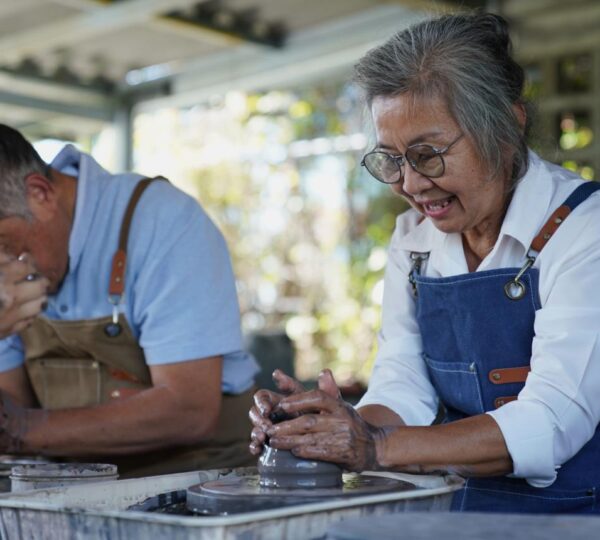
Adopting hobbies that require focus, strategy, or creativity can also be beneficial. Activities like gardening, playing a musical instrument, or crafting encourage both concentration and fine motor skills.
- Emotional Health and Stress Management
Emotional resilience is essential in advanced age. Coping with losses, adjusting to lifestyle changes, and managing chronic conditions requires effective stress management and emotional support systems.

Mindfulness, meditation, gentle physical activity, and supportive social networks help manage stress and maintain mental health. Older adults who practice these strategies often experience greater satisfaction and better health outcomes.
Negative emotions, chronic stress, and unresolved grief can accelerate physical decline and cognitive challenges. Proactively addressing emotional needs contributes to longevity and preserves quality of life.
Support networks, therapy, or counseling can provide coping tools for navigating transitions, maintaining social engagement, and sustaining mental and emotional well-being in later years.
- Sleep, Rest, and Recovery
Adequate rest is vital for health at any age. Sleep supports memory consolidation, cellular repair, immune function, and emotional regulation, all of which are particularly critical in older adults.
Older adults may experience changes in sleep patterns, such as difficulty falling asleep or staying asleep. Maintaining consistent routines and addressing sleep disturbances is essential to prevent fatigue and cognitive decline.
Short naps can be beneficial but should not replace nightly restorative sleep. Prioritizing relaxation routines, limiting caffeine, and creating a comfortable sleep environment enhance sleep quality and overall well-being.
- Safety, Environment, and Accessibility
Aging in place safely requires attention to the physical environment. Modifications like handrails, non-slip mats, adequate lighting, and clear pathways reduce fall risk and maintain independence.
Proper home adaptations support mobility, confidence, and daily functioning. They also alleviate stress for older adults and caregivers, allowing continued engagement in social and recreational activities.
Regular medical check-ups, vision and hearing assessments, and timely treatment of chronic conditions prevent complications and maintain physical and mental health, enabling a more active, fulfilling later life.
- Building Habits for Longevity Beyond 80
Thriving in advanced age does not require perfection—just consistency. Daily habits such as purpose, social interaction, physical activity, nutrition, hydration, cognitive engagement, and emotional self-care collectively influence longevity and quality of life.
Even small, repeated actions, like taking a short walk, drinking water, or calling a friend, accumulate over time, creating significant protective effects for both body and mind.
Planning and structuring daily routines around meaningful activities, social contact, and gentle physical movement ensures that later years remain engaging, healthy, and enjoyable.
Regular reflection and mindfulness can also reinforce purpose, strengthen resilience, and enhance satisfaction, providing older adults with a sense of agency over their health and well-being.
- Summary of Key Principles for Thriving After 80
A sense of purpose engages the mind and motivates action.
Connection and social engagement nourish emotional and physical health.
Daily movement preserves strength, balance, and independence.
Balanced nutrition and hydration fuel the body and support cognitive function.
Cognitive stimulation, emotional support, and restful sleep maintain overall well-being.
Attention to these interconnected aspects of life allows older adults to thrive, demonstrating that longevity is not just about years but about the quality and fulfillment within those years.
Simple, consistent habits provide the foundation for active, engaged, and meaningful living well beyond 80. Thriving in later life is achievable when awareness, intention, and small daily practices are prioritized.
Growing older does not inherently mean decline. Rather, it is an opportunity to adapt thoughtfully, cultivate connections, and nurture both body and mind, demonstrating that vitality, purpose, and fulfillment can continue at any age.
In conclusion, thriving after 80 is determined not by luck or genetics alone, but by cumulative, intentional choices. Physical, mental, and emotional well-being are strengthened through awareness, consistency, and mindful engagement with life.



0 Comments