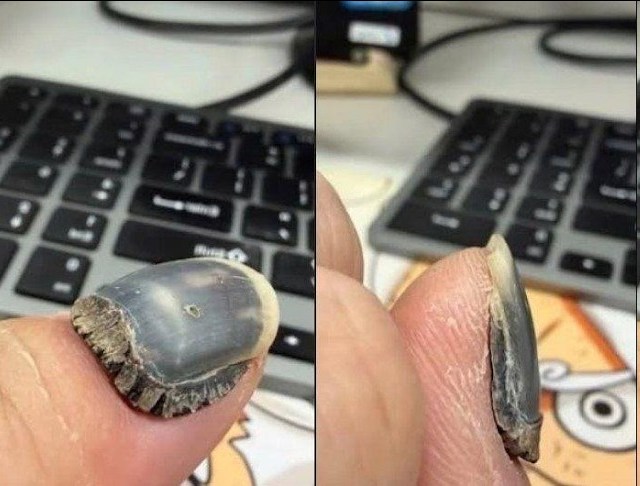
These are the consequences of using too much n
Perfectly polished nails have become more than just a beauty trend—they are now part of everyday self-care routines for millions of people around the world. From gel manicures and acrylic extensions to nail strengthening treatments and endless polish colors, nail care has evolved into a booming industry built around appearance, confidence, and personal style.
But beneath the glossy finish and social media perfection, there is a growing conversation about nail health and the hidden consequences of excessive product use. Many people begin noticing dark residue, discoloration, thick build-up, or unusual changes around their nails without fully understanding what is causing it.
At first, the issue may seem harmless. Some assume it is simply dirt, leftover polish, or staining from darker nail colors. Others ignore it completely and continue applying more products over the affected area. However, experts warn that persistent dark build-up under or around the nails can sometimes indicate deeper problems related to overuse, trapped moisture, irritation, or weakened nail structure.
While cosmetic nail products are generally safe when used correctly, repeated exposure without proper care can create conditions that affect both nail appearance and nail health over time.
So what exactly causes this dark build-up? Why does excessive nail treatment sometimes lead to damage? And how can people continue enjoying manicures without harming their natural nails?
Let’s take a closer look at the hidden side of modern nail care and what your nails may be trying to tell you.
Why Nail Beauty Has Become So Popular
In recent years, nail aesthetics have exploded across social media platforms. Nail art videos, salon transformations, and “perfect manicure” photos receive millions of views online.
People now regularly use:
Confidence
Cleanliness
Fashion
Professional appearance
Self-expression
The problem is not the products themselves, but how frequently and aggressively they are sometimes used.
Many people keep their nails continuously covered for months or even years without giving their natural nails time to recover.
What Is the Dark Build-Up People Notice?
Dark build-up around nails can appear in different ways depending on the cause.
Some people notice:
Brown stains
Black discoloration
Greenish patches
Thick residue beneath acrylic nails
Dark lines near the cuticle
Debris trapped under extensions
The appearance can vary from mild discoloration to more serious-looking changes.
In many cases, the issue is cosmetic and temporary. But sometimes it reflects nail stress or unhealthy conditions developing beneath artificial products.
Product Residue: The Most Common Cause
One of the simplest explanations is repeated product accumulation.
Layers of:…can gradually leave behind staining or trapped residue over time.
This happens especially when:
Nails are rarely cleaned thoroughly between applications
Products are layered repeatedly
Removal is rushed
Nail surfaces are over-filed
Dark colors such as black, red, blue, or purple polish are especially known for leaving stains on porous nail surfaces.
Trapped Moisture Beneath Artificial Nails
One major issue with acrylics and gel systems is moisture retention.
Artificial nails can sometimes lift slightly from the natural nail, creating tiny gaps where water becomes trapped.
This may happen because of:
Improper application
Long wear periods
Nail trauma
Weak adhesive bonding
Once moisture becomes trapped, the dark environment beneath the nail can encourage bacterial growth.
Signs may include:
Nail Separation and Why It Matters
Excessive product use may sometimes lead to nail separation, also called onycholysis.
This occurs when the natural nail lifts away from the skin underneath.
Common causes include:
Aggressive filing
Trauma
Heavy acrylic pressure
Chemical irritation
Repeated product removal
When the nail separates:
Dirt collects easily underneath
Moisture becomes trapped
Dark discoloration becomes more visible
The detached area may appear:
This condition weakens the nail and makes it more vulnerable to infection.
The Hidden Damage Caused by Over-Filing
One of the most overlooked nail problems is excessive filing and buffing.
Before applying acrylics or gel polish, technicians often roughen the nail surface to improve adhesion.
While light preparation is normal, repeated aggressive filing can:
Thin the nail plate
Increase sensitivity
Cause peeling
Lead to cracking
Make nails brittle
Thin nails are less able to protect themselves from:
Chemical exposure
Water penetration
Pigment staining
Mechanical stress
People often mistake the resulting damage for “naturally weak nails,” when in reality the weakness developed gradually through repeated treatment cycles.
Nail Glue and Chemical Stress
Nail glue is another product frequently associated with nail irritation when overused.
Strong adhesives are designed to:
Bond quickly
Resist moisture
Hold extensions firmly
However, repeated exposure may contribute to:
Nail dryness
Skin irritation
Brittleness
Weak natural nail growth
Glue residue trapped beneath extensions can also collect dirt and moisture, leading to dark build-up over time.
Gel Polish and UV Exposure
Gel manicures remain popular because they:
Last longer
Resist chipping
Maintain shine
But maintaining gel nails often involves repeated cycles of:
Filing
Acetone soaking
UV curing
Product removal
Over time, this routine may weaken nails if proper recovery periods are ignored.
Signs of stress may include:
Peeling edges
White spots
Rough surfaces
Splitting
Discoloration
Although occasional gel use is generally safe, constant uninterrupted application may increase nail fragility.
When Dark Build-Up May Signal Infection
Not all discoloration is harmless.
Persistent dark patches combined with symptoms like:
Pain
Swelling
Odor
Thickened nails
Increasing discoloration
…may indicate bacterial or fungal growth.
Infections become more likely when:
Moisture remains trapped
Nails are damaged
Artificial products lift
Hygiene is poor
In these situations, simply covering the nail with more polish may worsen the problem by hiding symptoms instead of addressing them.
Why People Often Ignore Early Signs
Many individuals continue using nail products even after noticing damage.
Why?
Because polished nails are strongly connected to:
Confidence
Beauty standards
Social image
Fashion trends
Some people feel uncomfortable showing natural nails once damage begins, leading them to:
Notice discoloration
Cover it with more product
Continue the cycle
Experience worsening damage
This pattern is surprisingly common.
The Influence of Social Media Beauty Culture
Social media has intensified pressure to maintain “perfect” nails constantly.
Online trends encourage:
Frequent salon visits
Extremely long acrylics
Complex layered designs
Constant polish changes
But beauty videos rarely emphasize:
Recovery time
Nail health
Safe removal practices
Long-term effects
As a result, many viewers imitate cosmetic trends without understanding how repetitive treatments may affect natural nails over time.
Healthy Nail Care Habits
The goal is not to avoid nail products completely—it is to use them responsibly.
Experts recommend several healthy habits:
Take manicure breaks
Allow natural nails time to recover between applications.
Moisturize regularly
Cuticle oil and hand creams help maintain flexibility.
Avoid peeling products off
Peeling gel polish damages upper nail layers.
Use quality salons and products
Poor-quality products may contain harsher ingredients.
Watch for lifting
Artificial nails should not remain loose or cracked for long periods.
Maintain hygiene
Clean nails gently and avoid trapping moisture beneath enhancements.
Can Nails “Breathe”?
One common myth is that nails need to “breathe.”
Technically, nails do not breathe like skin or lungs. Nails receive nutrients through blood supply beneath the nail bed, not through air exposure.
However, breaks from cosmetic products are still beneficial because they:
Reduce chemical stress
Allow easier monitoring of nail health
Minimize moisture trapping
Prevent repeated trauma
So while nails do not literally breathe, recovery periods still matter.
The Importance of Paying Attention to Changes
Healthy nails typically appear:
Most problems are minor and manageable, especially when caught early.
Final Thoughts
Modern nail beauty trends can be fun, creative, and confidence-boosting, but excessive use of cosmetic nail products may sometimes lead to hidden consequences beneath the surface.
Dark build-up around or under nails is often caused by:In some cases, it may even signal bacterial or fungal issues developing under artificial layers.
The good news is that most nail damage is preventable with balanced care, proper hygiene, and occasional recovery periods.
Beautiful nails are not just about polish, length, or shine—they are also about maintaining the health of the natural nail underneath.
Because the strongest beauty routines are the ones that protect long-term health, not just temporary appearance.



0 Comments